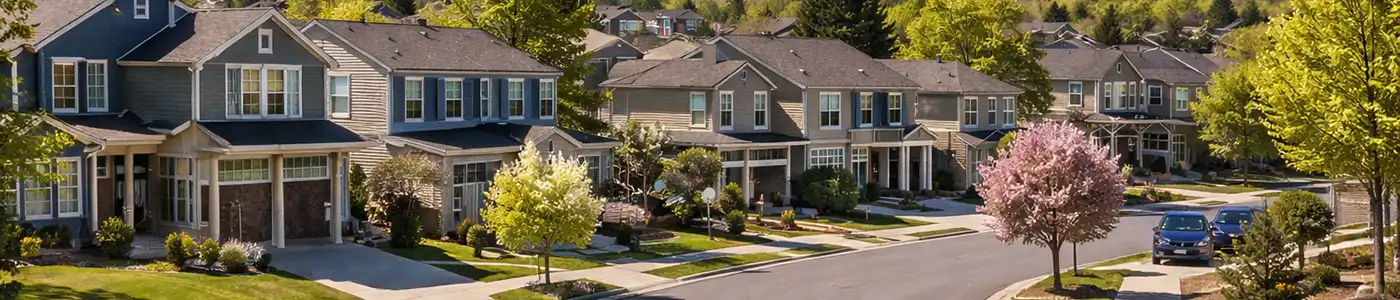
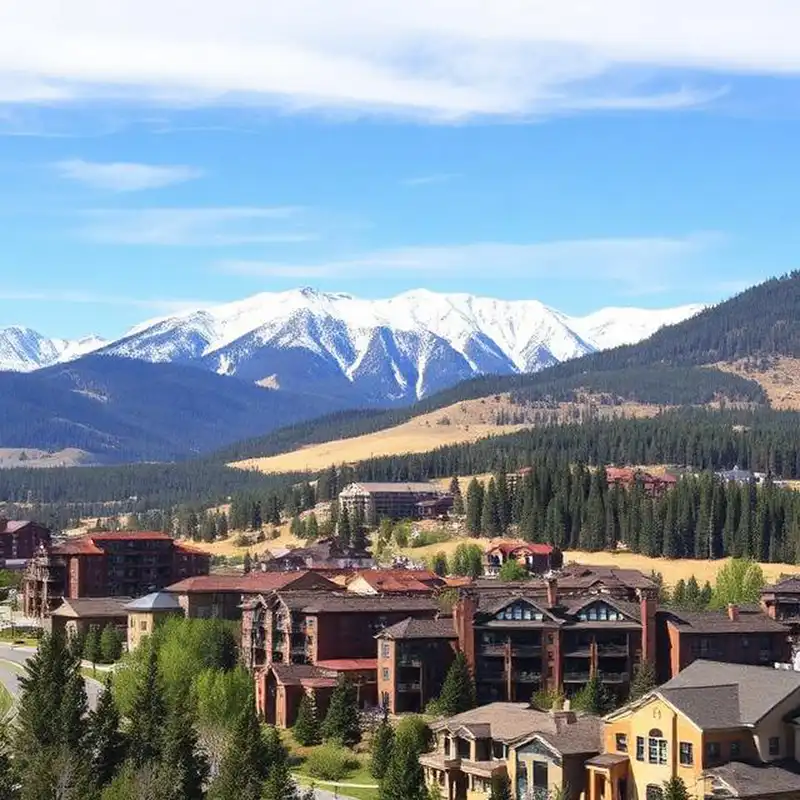
Colorado’s real estate market has experienced tremendous growth over the past decade. Urban centers like Denver, Boulder, and Colorado Springs have seen a surge in new developments, driven by a steady influx of residents attracted by job opportunities, lifestyle, and the state’s breathtaking natural beauty. As demand increases, housing prices have soared, leading to challenges around affordability and accessibility.
One key observation is the tension between urban expansion and the preservation of Colorado’s iconic landscapes. Developers are increasingly tasked with designing projects that respect the environment—incorporating green spaces, minimizing ecological footprints, and safeguarding mountain views. The state’s strict zoning laws and land-use regulations reflect a collective desire to balance growth with conservation.
Insightfully, Colorado’s real estate boom is not just about economics; it’s about identity. Residents and newcomers alike value the land as much as the homes built upon it. The commentary around this trend often centers on the question: How can Colorado maintain its unique character amid rapid development? The answer lies in collaborative planning, sustainable building practices, and ongoing dialogue between communities, developers, and policymakers.