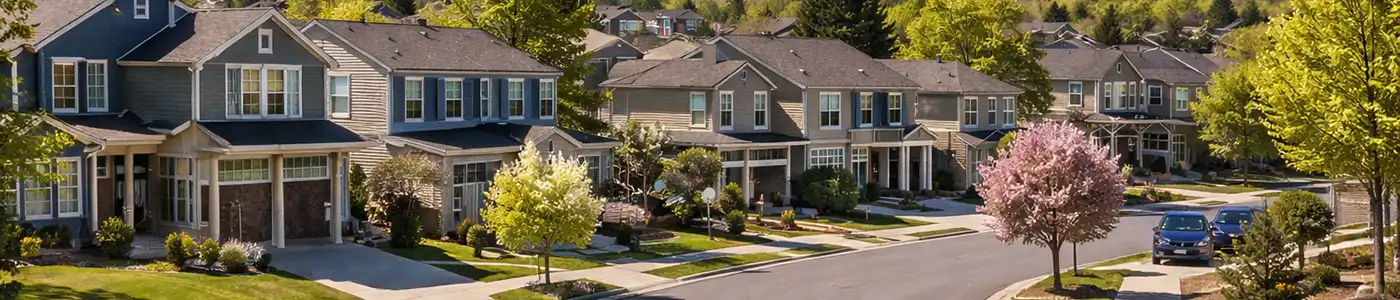
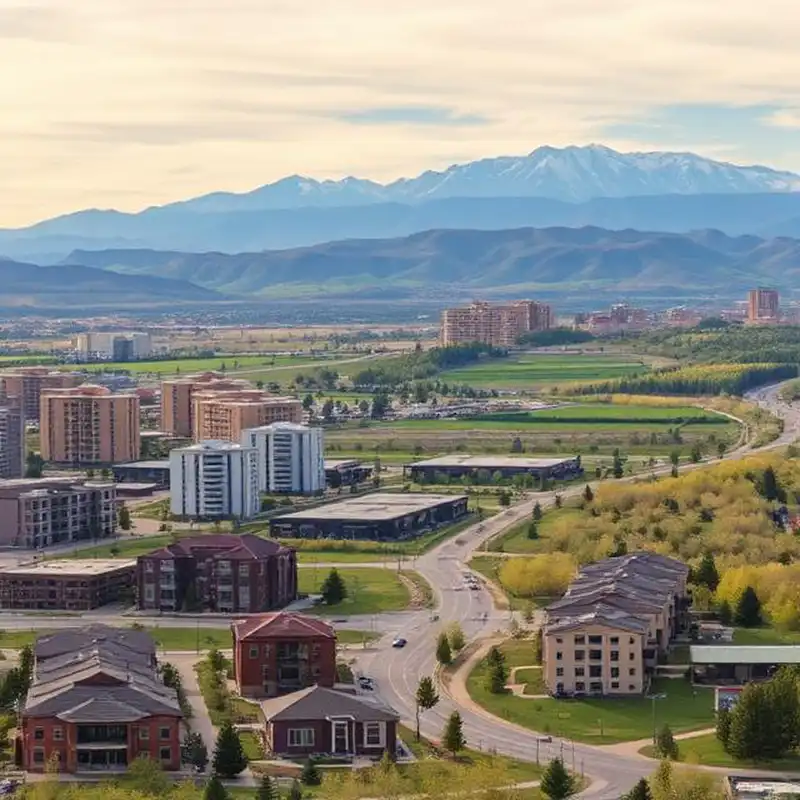
Colorado’s varied landscape—from the high plains to the Rocky Mountains—plays a central role in shaping how and where people build. The interplay between architecture and environment is a defining feature of the state’s real estate, with homes designed to maximize views, connect with nature, and withstand the elements.
Insightfully, many builders and architects are turning to native materials, sustainable technologies, and climate-adaptive designs. Large windows capture sunlight and mountain vistas, while energy-efficient systems help residents weather Colorado’s temperature swings. The landscape itself dictates building styles: homes in the foothills blend into the terrain, while structures in ski towns often echo alpine traditions.
Observation reveals that landscape-driven design isn’t just aesthetic—it’s practical. Wildfire risk, water scarcity, and snow loads are all factors that influence building decisions. Commentary suggests that as climate challenges intensify, integrating landscape knowledge into real estate development will be ever more crucial. Colorado’s future homes will likely be even more attuned to the land, reflecting a deep connection between people, place, and architecture.